

Best Coffee Beans for Low Acidity
Table of Contents
- What Makes Coffee Acidic
- Dark Roast vs Light Roast Acidity
- How to Reduce Coffee Acidity Through Origin and Processing
- Best Brewing Methods for Low Acid Coffee
- Low Acidity Coffee Beans Worth Trying
- Water Chemistry and Acidity Perception
- Sensory Profile Mapping: Identifying Low Acid Flavor
- Frequently Asked Questions
Last Updated: September 20, 2026
What Makes Coffee Acidic
Acidity in coffee isn't about a sour taste, it's a measure of pH level and the presence of chlorogenic acid, a natural compound that breaks down during roasting. When chlorogenic acid oxidizes, it creates other acids that contribute to the coffee's perceived brightness and flavor complexity. The challenge is that high acidity can trigger gastroesophageal reflux and stomach discomfort for sensitive drinkers.
The best coffee beans for low acidity are grown at specific altitudes and processed in ways that naturally reduce these problematic compounds. Understanding what drives acidity helps you choose the best coffee beans for low acidity that deliver smooth, satisfying flavor without the digestive distress.
Dark Roast vs Light Roast Acidity
Light roasts preserve more chlorogenic acid because the beans spend less time in the roaster. Dark roasts break down more of these compounds, resulting in lower acidity and a heavier body. If you're sensitive to heartburn, dark roasts and full city roasts are your starting point.
The trade-off is complexity. Light roasts often display brighter flavor notes and more nuance. Dark roasts lean toward chocolate, caramel, and earthy sweetness. For low-acid preferences, this shift toward deeper roast profiles isn't a loss, it's a reorientation toward smooth texture and digestive comfort.
How to Reduce Coffee Acidity Through Origin and Processing
Origin matters enormously. Beans grown at lower altitudes naturally develop lower acidity than high-altitude beans. Low-altitude regions like parts of Brazil and Sumatra produce inherently smoother profiles. Altitude forces plants to work harder, concentrating acids as a survival mechanism, so lower elevations mean gentler cups.

Processing method is equally critical. The wet-hulling technique, used in Indonesia, removes the fruit layer while the bean still contains moisture, creating a different fermentation profile that reduces perceived acidity. Natural processing (where beans dry in the fruit) and washed processing (where fruit is removed before drying) each affect the final acid profile differently. Giling Basah, the traditional Indonesian wet-hulling method, is particularly effective for creating low-acidity, full-bodied coffee.
Best Brewing Methods for Low Acid Coffee
Brewing method is as critical as bean origin, it directly controls how much acid dissolves into your cup. The relationship between water temperature, contact time, and acid extraction is governed by solubility: cooler water and shorter contact times pull fewer acids from the grounds, while hotter water and longer steeps extract more.
Cold Brew: The Lowest Acidity Option
Cold brew achieves the lowest final acidity because cold water (around 65-70°F) extracts acids far more slowly than hot water. Over 12-24 hours, cold brew extracts primarily sweet compounds and oils while leaving behind much of the chlorogenic acid and its breakdown products. The trade-off is time: cold brew demands overnight planning. The result, however, is a cup with a final pH typically around 5.8-6.2, compared to hot-brewed coffee at 4.8-5.5. For people with acid reflux, this difference is meaningful.
French Press: Extended Contact, Moderate Temperature
French press brewing combines a moderate water temperature (195-200°F) with a 4-minute steep, creating a middle ground. The immersion method means all grounds stay in contact with water for the full duration, extracting evenly. This produces lower acidity than espresso or drip methods while preserving body and flavor complexity. The metal mesh filter also allows fine particles and oils to remain in the cup, contributing to the smooth mouthfeel that masks any remaining sharpness.
Pour-Over: Precision Control
Pour-over methods (Chemex, V60, Kalita Wave) offer the most control over temperature and extraction time. By pouring water at 195-200°F and limiting contact to 3-4 minutes, you can dial in lower acidity without the commitment of cold brew. The paper or metal filter removes oils and fine particles, creating a cleaner cup, which can feel brighter but also sharper if you're not careful with temperature. The key is staying below 200°F; water hotter than this accelerates acid extraction noticeably.
Espresso: Higher Acidity, Shorter Contact
Espresso uses 200-205°F water and 25-30 seconds of contact under pressure. The high temperature and pressure force rapid extraction, pulling acids quickly. Espresso shots typically have a lower pH (more acidic) than other methods, though the small serving size means total acid intake may be lower. If you're brewing espresso with low-acid beans, use a slightly lower temperature (200°F rather than 205°F) and aim for a longer pull (30-35 seconds) to reduce sharpness.
Turkish Coffee: High Acidity, Boiling Water
Turkish coffee uses boiling water (212°F) and extended contact in a cezve, creating the highest acidity of common methods. This is the least suitable method if you're sensitive to stomach distress, even with low-acid beans.
| Brewing Method | Water Temperature | Extraction Time | Final pH | Acidity Level |
|---|---|---|---|---|
| Cold brew | 65-70°F | 12-24 hours | 5.8-6.2 | Very low |
| French press | 195-200°F | 4 minutes | 5.2-5.6 | Low |
| Pour-over | 195-200°F | 3-4 minutes | 5.1-5.5 | Low to medium |
| Espresso | 200-205°F | 25-30 seconds | 4.8-5.2 | Medium to high |
| Turkish | 212°F | 3-5 minutes | 4.6-5.0 | High |
Practical Takeaway
If you're starting with low-acid beans but still experience discomfort, your brewing method may be the culprit. Switching from a 4-minute drip at 205°F to a French press at 195°F can reduce perceived acidity by 10-15% without changing beans. Cold brew remains the most reliable method for sensitive stomachs, but French press offers a practical daily alternative that preserves flavor while minimizing acid extraction.
Low Acidity Coffee Beans Worth Trying
Brazil Santos: Naturally Smooth and Sweet
Brazil Santos grows at lower elevations in Minas Gerais and São Paulo, which naturally produces lower acidity than high-altitude regions. The heavy, syrupy body carries notes of dark chocolate and roasted hazelnut with a natural sweetness that doesn't require added sugar or cream to feel complete.

This is the coffee for people who've been burned by "specialty" beans that still taste ashy or bitter. Brazil Santos delivers the smooth, rounded finish that makes you cradle your mug longer than planned. At $23.00, it's a reliable foundation for espresso blends or straightforward morning brewing.
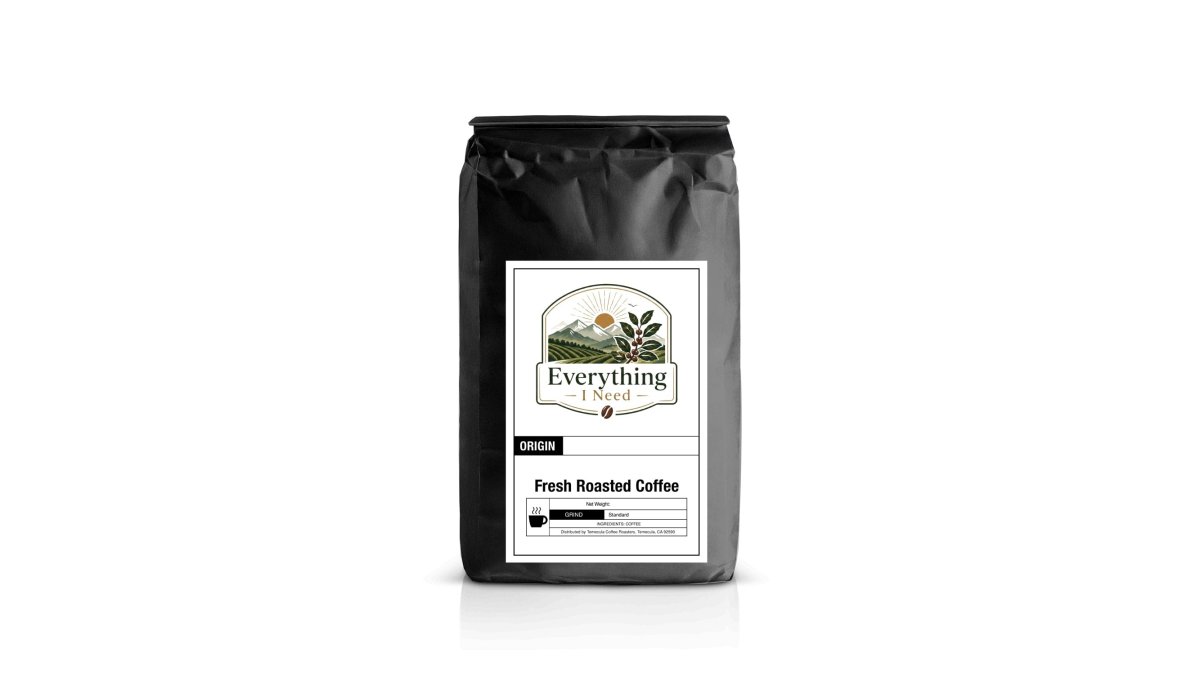
Sumatra: Full Body, Medium Acidity
Sumatra is processed using Giling Basah, the wet-hulling method unique to Indonesia. This technique creates a syrupy, full body with medium acidity that sits between smooth and bright. The depth unfolds slowly, revealing dark chocolate and dried fruit with an earthy warmth.
Sumatra rewards patience. Brew it slower, savor it deeply. This is the choice when you want substance and soul without the sharp edges that trigger reflux. The complexity justifies the slower ritual, each sip reveals something new. At $23.00, it's worth the deliberate approach to brewing.
Bali Blue: Low Acidity with Organic Certification
Bali Blue is grown on volcanic slopes at elevations between 1,200 and 1,600 meters, processed using wet-hulling, and certified organic. The combination delivers full-bodied coffee with low, soft acidity that keeps the cup smooth and approachable.

Tasting notes of dark chocolate and roasted cedar anchor the experience, with a gentle herbal quality that sets it apart. The finish is long and lingering, with subtle sweetness of raw cacao and dried fruit. For those prioritizing digestive comfort without sacrificing complexity, Bali Blue is the sophisticated choice. $23.00 per bag.
Peru Options: Smooth Profiles for Every Preference
Peru Coffee Pods arrive as a convenient 12-pack, grown at 1,100-1,700 meters on mineral-rich clay soils. The medium roast delivers silky sweetness with salted caramel at the heart and a bright lift of citrus. It's the coffee that makes an ordinary morning feel worth savoring.
For evening drinking or caffeine-sensitive mornings, Peru Decaf uses a gentle water method that preserves character.
Water Chemistry and Acidity Perception
Water chemistry is one of the most overlooked variables in brewing low-acid coffee. The mineral content, hardness, and alkalinity of your water directly influence how much acid extracts from the grounds and how acidity registers on your palate. This is a technical angle most coffee articles ignore entirely, yet it can be the difference between a smooth cup and one that triggers reflux.
Mineral Hardness and Acid Extraction
Alkalinity's Role in Acid Buffering
Practical Water Adjustments
Interaction with Brewing Method
Sensory Profile Mapping: Identifying Low Acid Flavor
Low-acid coffee typically shows specific sensory markers. Look for heavy body, smooth mouthfeel, and a finish that lingers without sharpness. Bitterness is not the same as acidity, low-acid coffee can still taste bold and complex without triggering reflux.
Frequently Asked Questions
Which coffee beans are naturally the least acidic?
Low-altitude origins like Brazil and Indonesian beans naturally develop lower acidity levels due to slower ripening and soil composition. Brazil Santos, grown at lower elevations in Minas Gerais, is the definition of low-acidity coffee with its heavy, syrupy body and smooth, easy-drinking character. Indonesian coffees like Sumatra and Bali Blue, processed using wet-hulling methods, also deliver medium to low acidity with full body and complex sweetness. Single-origin beans from these regions consistently rank among the least acidic options available.
Does dark roast coffee have less acidity than light roast?
Yes, dark roast coffee has significantly less acidity than light roast. Extended roasting breaks down chlorogenic acid, the compound primarily responsible for coffee's acidity, creating a smoother cup. Dark roasts develop deeper, more bitter-forward flavors with lower perceived acidity. If you're sensitive to acidity, choosing a dark roast profile will immediately improve digestive comfort. Light roasts preserve more of the original chlorogenic acid and tend to taste brighter and more acidic on the palate.
What brewing method reduces coffee acidity the most?
Cold brewing and extended steep methods reduce acidity by 67% or more compared to hot brewing. Cold water extraction over 12-24 hours pulls fewer acidic compounds while still delivering full flavor and caffeine content. French press brewing also produces lower-acidity coffee because the extended contact time and paper-free filtration preserve the coffee's natural oils, which buffer perceived acidity. If hot brewing is your preference, pour-over with a slower extraction rate (4-5 minutes) reduces acidity more than espresso or quick drip methods.
Can water chemistry affect how acidic my coffee tastes?
Yes, water chemistry significantly impacts perceived acidity. Hard water with higher mineral content (calcium and magnesium) naturally buffers coffee's acidity, making the same beans taste smoother and less sharp. Soft or distilled water, by contrast, allows acidic compounds to dominate the flavor profile. If you're brewing with tap water, test your local water hardness; if it's soft, consider adding a small amount of mineral water or a pinch of baking soda to reduce perceived acidity without changing the coffee's character.