

Top 10 Best Tasting Coffees: A 2026 Guide
Table of Contents
- How We Evaluated the Best Tasting Coffees
- 1. Ethiopia Natural: The Best Tasting Coffee for Fruit Lovers
- 2. Kenya: The Best Tasting Coffee for Bright Acidity
- 3. Colombia: The Best Tasting Coffee for Balance
- 4. Breakfast Blend: The Best Tasting Coffee for Mornings
- 5. House Blend: The Best Tasting Coffee for Versatility
- 6. Six Bean Blend: The Best Tasting Coffee for Espresso
- 7. Italian Roast: The Best Tasting Coffee for Bold Flavor
- Frequently Asked Questions
Last Updated: September 14, 2026
How We Evaluated the Best Tasting Coffees
Great coffee is not a matter of opinion alone. It is a measurable product, and the best tasting coffees share identifiable traits: clean sweetness, layered acidity, and a finish that lingers without turning bitter. This guide from Everything I Need walks through ten coffees worth your attention in 2026, ranked by cup quality rather than marketing budget.
The scoring rubric
Every coffee was cupped blind, at least twice, on separate days. We scored five attributes on a 1-10 scale and weighted them so that flavor complexity and balance carried the most influence on the final ranking:
| Attribute | Weight | What earns a high score |
|---|---|---|
| Flavor complexity | 30% | Distinct, layered notes that shift as the cup cools |
| Balance | 25% | Sweetness, acidity, and body in proportion |
| Finish | 20% | Clean, lingering aftertaste with no drying astringency |
| Acidity quality | 15% | Bright and structured rather than sharp or flat |
| Body | 10% | Appropriate weight for the roast and origin |
Bitterness was treated as a defect, not a stylistic choice. A coffee that scored high on intensity but finished harsh was marked down, not up. The Specialty Coffee Association cupping standards provide the industry baseline for how professional tasters score acidity, body, and aftertaste, and we applied that same logic here.
How we brewed each coffee
A single brewing method would have flattered some coffees and buried others, so each bean was evaluated three ways: a pour-over at a 1:16 coffee-to-water ratio, a full-immersion French press, and, for the blends built for it, a 1:2 espresso shot. Grind size was recalibrated for every bean rather than held constant, because a grind that flatters a natural Ethiopian will choke a dark-roasted blend.
The variable most guides ignore: water
This is where our method departs from most published rankings. The same bean, brewed with the same dose and grind, can taste sweet in one kitchen and flat in another because of water chemistry. Water makes up roughly 98% of a brewed cup, and its mineral content, particularly magnesium, which binds to coffee's flavor compounds, and calcium, which buffers acidity, changes extraction in ways no bean can overcome (Water and Coffee Acidity).
We brewed every coffee with water built to a consistent mineral profile so that the differences we recorded came from the beans, not the tap. If your own cups taste muted no matter what you buy, the water is the first thing to change, not the coffee. A simple starting point is bottled water labeled with a moderate mineral content, or a home water recipe that adds a small amount of magnesium and bicarbonate to distilled water. Most practitioners find that fixing water quality improves a cup more than upgrading the bean.
What we did not weight
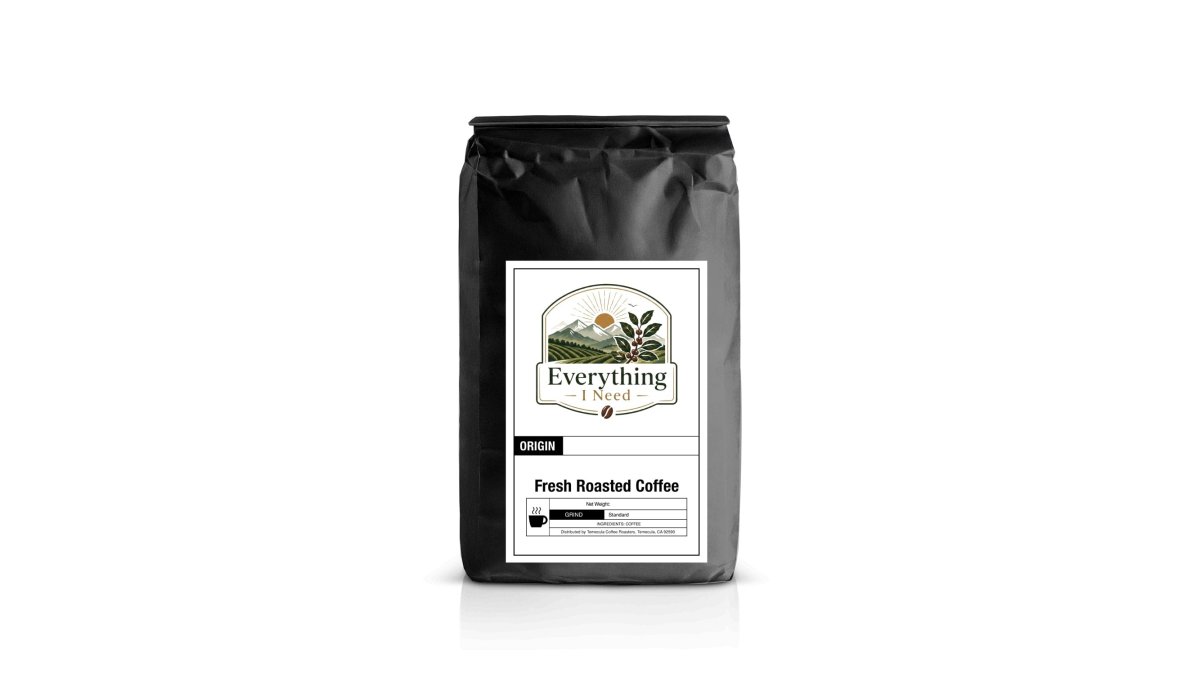
Packaging, brand recognition, and price were not scored. A coffee earned its place on this list on cup quality alone, and the ranking reflects what happened in the cup, not on the label.

Here is the short version before the detail:
| Coffee | Best For | Roast Level | Price |
|---|---|---|---|
| Ethiopia Natural | Fruit-forward complexity | Light-medium | $23.00 |
| Kenya | Bright, winey acidity | Medium | $23.00 |
| Colombia | Everyday balance | Medium | $23.00 |
| Breakfast Blend | Morning drinkability | Medium-dark | $23.00 |
| House Blend | All-purpose brewing | Medium | $23.00 |
| Six Bean Blend | Espresso | Dark | $23.00 |
| Italian Roast | Bold, low-acid cups | Very dark | $23.00 |
1. Ethiopia Natural: The Best Tasting Coffee for Fruit Lovers
Ethiopia Natural is the most fruit-driven cup on this list. Grown in the forests of Yirgacheffe and Sidama and dried whole-cherry on raised beds, it delivers an unmistakable burst of blueberry and strawberry jam, layered with jasmine and a wine-like body.
The natural process is what does it. Leaving the fruit on the bean during drying concentrates sugars and aromatics in a way washed coffees cannot replicate. Brew it as a pour-over and the floral notes dominate; use cold brew and the berry sweetness takes over.
Best for: anyone who wants coffee that tastes like something, not just like coffee.
Watch out for: natural Ethiopians demand a coarser grind. Too fine and the fruit turns muddy.
2. Kenya: The Best Tasting Coffee for Bright Acidity
Kenya is the standard for acidity done right. Grown on the red soils of the central highlands at elevations that rival the clouds, it carries vivid blackcurrant and ripe tomato notes over a deep berry sweetness.

Where Colombia is smooth, Kenya is electric. The acidity here is not sourness; it is the sparkling, structured kind that makes a cup feel alive. A floral mid-palate and a long, winey finish complete the picture.
Best for: drinkers who already enjoy bright, complex single-origins and want the most intense version.
Watch out for: Kenya punishes weak brewing. Under-extract it and the acidity reads as sharp rather than juicy.
3. Colombia: The Best Tasting Coffee for Balance
Colombia is the benchmark every other coffee gets measured against, and it earns that status. A medium-to-full body carries caramel and milk chocolate, lifted by a bright, fruit-forward acidity with red grape and nectarine.

Two harvests a year and rich Andean soils give Colombian beans unusual consistency. That reliability is why it works as both a daily drinker and a reference point when you are learning to evaluate coffee flavor notes. If you cannot identify what a "balanced" cup tastes like, start here.
Best for: anyone building a palate, and anyone who wants one coffee that never disappoints.
Watch out for: Colombia is so approachable that enthusiasts sometimes overlook it in favor of flashier origins. That is a mistake.
4. Breakfast Blend: The Best Tasting Coffee for Mornings
Breakfast Blend is a medium-dark roast built from Central American and East African beans, and it is designed to be easy before 8 a.m. Blood orange and caramel rise first, followed by dark chocolate and roasted hazelnut with a molasses finish.
The roast level matters here. Medium-dark smooths the sharper edges of the acidity without flattening the flavor, which is exactly what you want when you are drinking coffee while doing three other things. It holds up black or with cream.
Best for: remote professionals who want a dependable first cup with real character.
Watch out for: if you prefer delicate, tea-like coffees, this will read as too rich.
5. House Blend: The Best Tasting Coffee for Versatility
House Blend is the one coffee on this list that works in every brewing method you own. Milk chocolate and toasted almond open the cup, settling into a smooth medium body with caramel sweetness and a lift of citrus zest on the finish.
That versatility is the point. Pull a shot, brew a pour-over, or load the French press, and the result holds together. Most blends sacrifice character for consistency; this one keeps both, with a clean cocoa finish that rounds everything out.
Best for: households with more than one brewing device and more than one opinion.
Watch out for: it is deliberately middle-of-the-road on roast, so drinkers chasing extremes may want the Italian Roast instead.
6. Six Bean Blend: The Best Tasting Coffee for Espresso
Six Bean Blend is a dark roast composed from six growing regions, and it was built with espresso in mind. Dark chocolate and toasted cedar open the shot, with dried cherry and raw cane sugar emerging as it cools.
The blend structure solves a real problem. Single origins often taste thin under pressure or get lost in milk. Six origins together produce a full-bodied shot that cuts through a latte without disappearing, and the finish brings roasted walnut and a whisper of spice.
Best for: espresso drinkers and anyone who wants a blend with genuine depth.
Watch out for: this is a dark roast. If you brew it as filter coffee, drop the water temperature a few degrees to avoid a smoky edge.
7. Italian Roast: The Best Tasting Coffee for Bold Flavor
Italian Roast is the darkest coffee here, a slow-roasted blend of Arabica and Robusta pushed to the edge of the roast spectrum. Bittersweet dark chocolate, smoky depth, and caramel-molasses sweetness define the cup.
What the roast actually does
Roast level is a spectrum, and Italian Roast sits at the far dark end, past French roast, past Vienna. As beans roast longer, the sugars that give coffee its fruity, floral character caramelize and then burn off, while the acids that read as bright or sour break down. What remains is body, bittersweet chocolate, and smoke. That is why a dark roast tastes the way it does: it is not a different bean, it is the same bean with its lighter, sharper notes roasted away.
The practical result is a cup with remarkably low perceived acidity. Drinkers who find bright single-origins harsh on the stomach or the palate often land here, because the compounds responsible for that brightness have largely been destroyed in the roaster.
Why Robusta is in the blend
The Robusta content is deliberate. It adds body and crema that all-Arabica dark roasts struggle to match. Robusta beans carry roughly twice the caffeine of Arabica and produce a thicker, more persistent crema under pressure, which is why traditional espresso blends in southern Italy have always leaned on them (pubmed.ncbi.nlm.nih.gov). The trade-off is flavor: Robusta can taste rubbery or woody if it is low-grade or over-roasted. In a well-built blend it reads as roasted walnut and spice rather than harshness.
How to brew it
This is a forgiving coffee, but it rewards a few adjustments:
- Espresso: a 1:2 ratio in roughly 25-30 seconds produces a syrupy shot with a thick crema.
- French press: use a coarse grind and water just off the boil, around 200°F, to keep the smoke in check.
- Drip or pour-over: drop the water temperature a few degrees below your usual setting. Dark roasts extract faster, and hot water pushes them toward ash.
Best for: drinkers who find bright coffees harsh and want maximum intensity with minimum acidity.
Watch out for: "bold" is not the same as "burnt." This roast is intense but controlled; if it tastes ashy, your grind is too fine or your water is too hot.
Frequently Asked Questions
What is considered the best tasting coffee?
The best tasting coffee depends on your preference for flavor profile, acidity, and body. Coffees like Ethiopia Natural offer fruity, floral notes, while Brazil Santos provides smooth, nutty flavors. The best tasting coffees are freshly roasted, whole bean, and brewed to highlight their unique characteristics. Look for tasting notes that match your desired experience.
How do you identify high-quality coffee beans?
High-quality coffee beans are typically specialty grade, whole bean, and freshly roasted. Look for single-origin or artisan blends with clear tasting notes. High-elevation beans often have denser structure and more complex flavors. Avoid beans with no roast date or those that appear oily and stale.
What makes artisan coffee taste better than mass-market brands?
Artisan coffee is roasted in small batches with precision, often using high-elevation beans that develop complex flavors. Mass-market brands roast in large volumes for uniformity, which can lead to bitterness. Artisan roasters focus on freshness and flavor notes, eliminating bitterness through careful thermal mapping and roasting profiles. The result is a more nuanced, satisfying cup.
How should I store coffee to maintain its best taste?
Store coffee in an airtight container away from light, heat, and moisture. Whole beans stay fresh longer than ground coffee. Keep the container in a cool, dark place, not the refrigerator. For maximum freshness, buy whole bean and grind just before brewing. Enjoy within two to four weeks of the roast date for peak flavor.
Does roasting method affect the taste of coffee?
Yes, roasting method significantly impacts flavor. Light roasts preserve bright acidity and fruity notes, medium roasts balance acidity and body, and dark roasts develop bold, smoky, and chocolatey flavors. The roast profile determines how sweetness, acidity, and body interact. Artisan roasters use precise thermal mapping to highlight the best qualities of each bean.
The best tasting coffees are the ones matched to how you actually drink them. If you want fruit and florals, start with the Ethiopia Natural. If you want a cup that works everywhere, the House Blend is the safest bet. Everything I Need roasts in small batches using precision thermal mapping to remove bitterness at the source, and every order ships fresh to your door. Get started with Everything I Need and taste the difference a disciplined roast makes in your morning cup.