

What Are Some Specialty Coffee Brands? A 2026 Guide
Table of Contents
- What Defines Specialty Coffee Brands
- How to Identify High-Quality Coffee Beans
- Best Artisan Coffee: What to Look For
- How to Choose the Right Coffee Beans for Your Taste
- Single-Origin vs. Blends: Which Should You Buy?
- Brewing Methods for Specialty Beans
- Specialty Coffee Subscription Services: What to Compare
- Environmental Impact of Coffee Processing Methods
- Direct-to-Consumer vs. Retail Shelf Quality
- Frequently Asked Questions
Last Updated: September 12, 2026
What Defines Specialty Coffee Brands
Specialty coffee brands are roasters whose beans are graded for quality, traceable to a specific origin, and roasted in small batches. The clearest signal: a visible roast date and a named farm, region, or cooperative on the bag.
Grocery coffee is built for shelf life, not flavor. Everything I Need sources single-origin beans from high-elevation estates and roasts to order, so the bag reaches you within its peak window. The Specialty Coffee Association's green coffee grading standards draw the line at cupping score, defect count, and bean size.
How to Identify High-Quality Coffee Beans
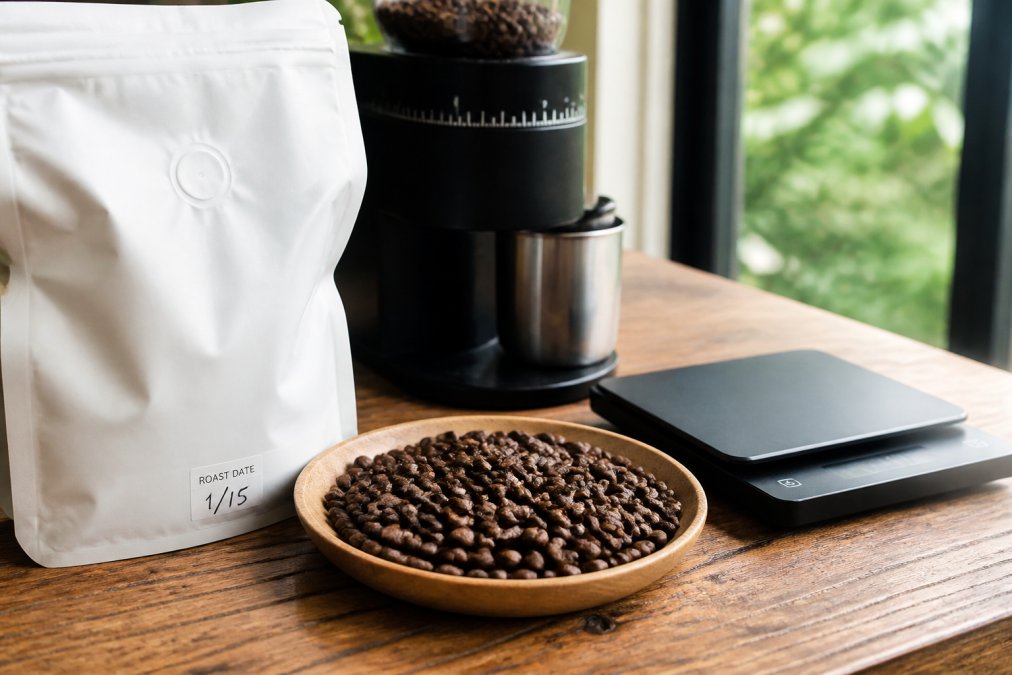
High-quality coffee beans share three markers: a printed roast date, a named origin down to region or farm, and whole-bean packaging. Processing method is the second thing to check: washed coffees taste clean and bright, natural coffees carry heavier fruit and body, and honey process sits between the two. The USDA's guidance on organic labeling for coffee is worth knowing if certification claims matter to you.
Best Artisan Coffee: What to Look For
Best artisan coffee comes down to freshness, traceability, and roast consistency, not brand size. Everything I Need's single-origin lineup illustrates the range: Everything I Need's single-origin lineup illustrates the range: Colombia, Ethiopia Natural, Kenya, and Sumatra.

Origin |
Tasting Notes |
Body |
Best Brew Method |
|---|---|---|---|
Caramel, milk chocolate, red grape |
Medium-full |
Drip or pour-over |
|
Blueberry, strawberry, jasmine |
Full, wine-like |
Pour-over or cold brew |
|
Blackcurrant, raspberry, floral |
Full, juicy |
Pour-over |
How to Choose the Right Coffee Beans for Your Taste
Choosing the right beans starts with matching roast level and processing method to how you drink. For drip, a medium roast from Colombia, Guatemala, or Brazil Santos gives a forgiving, consistent cup; for pour-over complexity, a light-roasted Ethiopia Natural or Kenya rewards attention.

Single-Origin vs. Blends: Which Should You Buy?
Single-origin coffee comes from one farm, region, or cooperative; a blend combines origins to hit a consistent flavor target. Neither is inherently higher quality, what matters is traceability. For first-time explorers, single-origin is the more educational choice: drinking Colombia, Kenya, and Ethiopia Natural side by side teaches more about flavor, acidity, and body in a week than a year of tasting notes.

Brewing Methods for Specialty Beans
Pour-over highlights clarity and acidity, French press emphasizes body, and cold brew softens acidity while amplifying sweetness. Grind size matters most, medium-fine for pour-over, coarse for French press, and a digital scale keeps your ratio repeatable.
Specialty Coffee Subscription Services: What to Compare
Specialty coffee subscription services differ mainly in roast-to-order timing, origin rotation, and how much control you get. Compare four things: roast-to-order versus warehouse stock, whether you can pick specific origins, delivery frequency, and whether you can skip, pause, or change origins without a phone call. Everything I Need's ordering is built around simplicity: pick your origins, and the coffee is roasted and shipped fresh. Fair Trade America's explanation of certification standards is a useful reference if ethical sourcing claims factor into your decision.
Environmental Impact of Coffee Processing Methods
Processing method affects water use and waste as much as flavor. Washed coffee consumes the most water because the fruit is removed before drying; natural coffee uses almost none but needs more land and labor for drying beds. Honey process sits between the two, and direct trade with named producers often does more for farmer economics than a certification label alone.
Direct-to-Consumer vs. Retail Shelf Quality
Direct-to-consumer coffee beats retail shelf coffee on freshness in almost every case, because grocery distribution adds weeks between roast and purchase. The tradeoff is convenience: local buying means same-day access, direct ordering means a few days' wait. For anyone who plans ahead or subscribes, freshness outweighs the wait.
Frequently Asked Questions
What defines a specialty coffee brand?
A specialty coffee brand sells beans that score 80 or higher on the Specialty Coffee Association's 100-point scale. That score reflects careful growing at high altitude, selective harvesting of ripe coffee cherries, precise processing, and a roasting profile that preserves the bean's natural character. Brands at this level typically print roast dates, name specific farms or micro-lots, and describe tasting notes like acidity, body, and sweetness rather than vague flavor claims.
How can you tell if coffee beans are high quality?
Check the roast date first. Freshly roasted whole bean coffee peaks between 5 and 21 days after roasting, so a printed date matters more than a 'best by' label. Then look for origin details: a named region, farm, or micro-lot, plus the processing method (washed, natural, or honey). Whole beans preserve aroma longer than pre-ground. Finally, buy from a roaster who describes the cup in specific terms like caramel, blackcurrant, or jasmine instead of generic 'bold' or 'smooth.'
Are specialty coffee subscriptions worth the cost?
For regular drinkers, yes. A specialty coffee subscription service ships freshly roasted whole bean coffee on a schedule you set, so you avoid stale grocery shelves and never run out. The value comes from roast-to-order timing, curated selection across single-origin offerings, and the ability to explore different flavor profiles without committing to a full bag of something you dislike.