

Dark Roast vs Medium Roast: Flavor Profiles Explained
Table of Contents
- Dark Roast vs Medium Roast: The Essential Differences
- Understanding Medium Roast Coffee Flavor Profile
- Understanding Dark Roast Coffee Flavor Profile
- Coffee Roast and Acidity: How Roast Level Changes Brightness
- Coffee Roast and Caffeine: What the Roast Level Really Means
- How Bean Origin and Roast Degree Interact
- Brewing Adjustments for Medium and Dark Roasts
- Which Roast Matches Your Taste Preference
- Frequently Asked Questions
Last Updated: October 18, 2026
Dark Roast vs Medium Roast: The Essential Differences
Choosing between a dark roast vs medium roast means choosing between two fundamentally different coffee experiences. It's not about color, it's about how heat transforms the bean's original character.

Medium roast preserves more of the bean's origin story. You'll taste the terroir, the processing method, the altitude where it grew. Dark roast, by contrast, prioritizes the roasting process itself. The longer heat exposure creates bold, smoky flavors that overshadow the bean's birthplace.
At Everything I Need, we've found this choice shapes your entire morning ritual: how you brew, what flavors you perceive, and whether you're chasing complexity or bold confidence. Knowing where each roast excels helps you pick the one that matches how you want to start your day.
Understanding Medium Roast Coffee Flavor Profile
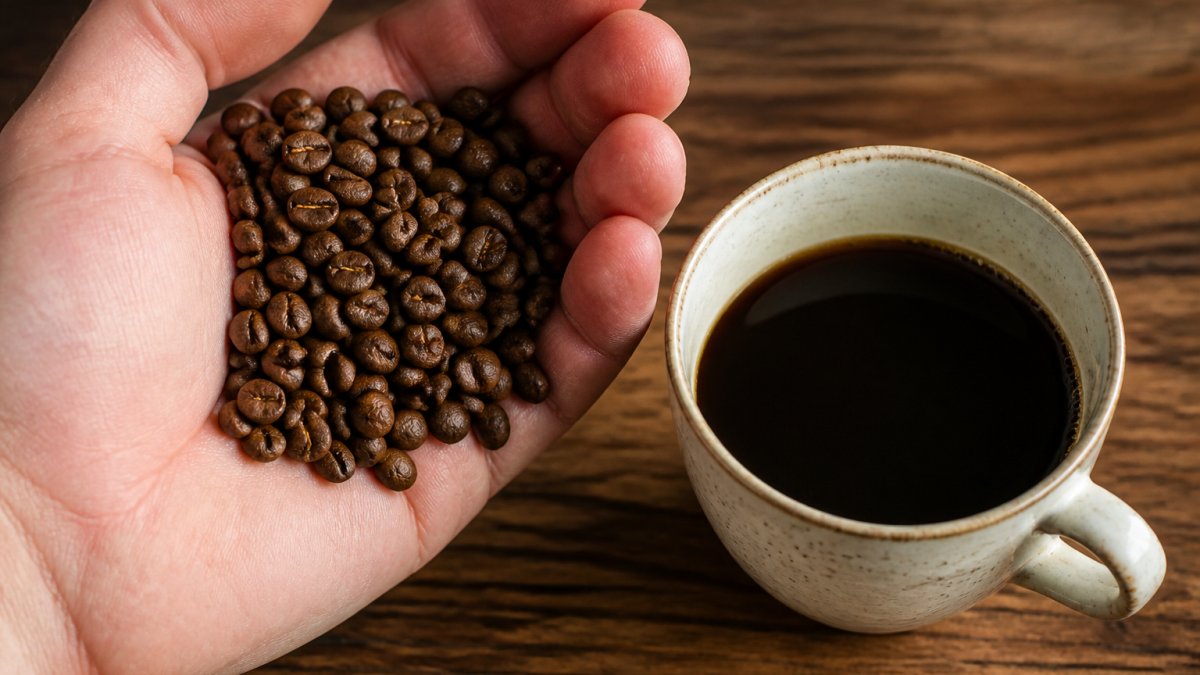
Medium roast sits at the sweet spot between light and dark. Beans are roasted to the beginning of the second crack, when the internal structure breaks apart and releases oils: long enough to develop roasted notes, short enough to preserve the bean's distinct flavors.
Flavor Notes and Complexity
A well-roasted medium roast delivers layered flavor: caramel, chocolate, and nuts up front, with hints of stone fruit, citrus, or floral character underneath depending on origin. The roast amplifies these notes without drowning them out.
This complexity appeals to people who taste coffee deliberately. A medium roast from Ethiopia tastes entirely different from one sourced from Central America, and that's the point: the roaster's job is to bring out what's already there, not mask it.
Our Coffee with Mushrooms Medium Roast captures this philosophy. You get the full flavor profile, dark cocoa and roasted walnut up front, with dried cherry and natural sweetness emerging as the cup cools. The functional mushrooms add earthy depth without overpowering the coffee's inherent complexity.
Aroma and First Impression
Medium roast aroma is brighter and less smoky than dark, hinting at chocolate, nuts, and sometimes subtle fruit. That aroma primes your palate for something nuanced and layered, not bold and heavy.
Understanding Dark Roast Coffee Flavor Profile
Dark roast takes beans further: heated until the second crack is fully underway, sometimes beyond. Oils rise to the surface, giving the characteristic sheen and near-black color, and the roasting process becomes the dominant flavor influence.
Bold Character and Roasted Notes
Dark roast tastes like roasting: dark chocolate, toasted cedar, caramelized sugar, sometimes smokiness. These flavors are intense and immediate, appealing to people who want their coffee to feel substantial, confident, and unapologetic.
Our French Roast exemplifies this approach. The beans are pushed to their limit, oils rising to the surface, the color deepening to near-black. On the palate, you get strong notes of dark chocolate and toasted cedar, with enough caramelized sugar to keep things balanced.

Similarly, our Six Bean Blend uses dark roast to unify six origins into a single, cohesive flavor. The roasting process is strong enough to bind them together while still letting distinct notes emerge: dark chocolate, toasted cedar, dried cherry, raw cane sugar, roasted walnut, and a whisper of spice.
Smoothness and Finish
Dark roast's extended heat breaks down acids more completely, so you get less perceived brightness and more smoothness, with a warm, lingering finish. For people sensitive to acidity, that smoothness is the appeal: gentler on the palate even though it tastes bolder.
Coffee Roast and Acidity: How Roast Level Changes Brightness
Acidity is the most misunderstood word in coffee. It doesn't describe pH or sourness; in tasting terms, it's the bright, lively sensation that makes a cup feel awake. When you compare medium roast vs dark roast flavor profiles, acidity is usually the first thing you notice.
What Actually Changes During Roasting
Green coffee contains organic acids, including chlorogenic, citric, malic, and quinic acid. As bean temperature climbs, these break down and recombine; the longer and hotter the roast, the more bright, fruit-forward acids are degraded. Chlorogenic acid falls steadily as roast degree increases, which is why dark roast tastes rounder and less tangy than medium roast from the same green bean (Quantification of Caffeine and Chlorogenic Acid in Green and Roasted Coffee Samples Using...). Dark roast isn't 'less acidic' chemically, its perceived brightness is simply lower.
Reading Acidity on the Palate
Medium roast shows acidity as a clean, juicy sensation, often citrus, stone fruit, or a gentle tartness fading into sweetness. Dark roast shows far less; the cup feels smooth and coating, settling into cocoa and toasted notes. To train your palate, brew the same bean at both roasts, cool five minutes, and taste side by side: the medium cup stays lively, the dark cup feels flatter and heavier.
Why This Matters for Your Choice
If you enjoy brightness, medium roast rewards you with more complexity and a longer, varied finish. If bright cups feel sharp, dark roast's lower perceived acidity is easier to drink, especially black. It's a trade-off between liveliness and smoothness, the clearest single axis on which the two roasts differ.
Coffee Roast and Caffeine: What the Roast Level Really Means
A common misconception: dark roast has less caffeine because it's roasted longer. In truth, caffeine is determined primarily by bean variety and how much coffee you use, not roast level; the difference between medium and dark is negligible. What you notice is the perception of strength: dark roast tastes bolder, so it feels stronger. If caffeine is your concern, focus on brew method and coffee-to-water ratio instead.
Coffee with Mushrooms Dark Roast →
How Bean Origin and Roast Degree Interact
Here's where it gets interesting: the same bean roasted to medium versus dark reveals two different coffees.
A bean from high-elevation Ethiopian farms might showcase bright, fruity notes at medium roast, think blueberry, jasmine, floral complexity. Roast that same bean to dark, and those delicate notes disappear. You're left with dark chocolate and smokiness.
This is why medium roast is often preferred for single-origin coffees. The roaster wants to highlight what makes that bean special. Dark roast, conversely, works better for blends.
Everything I Need sources beans from high-elevation estates specifically because altitude produces beans with more complex flavor compounds (The Growing Altitude Influences the Flavor Precursors, Sensory Characteristics and...).
Brewing Adjustments for Medium and Dark Roasts
Most roast guides tell you to 'adjust your brew' without saying how. This section gives you a repeatable protocol so you can compare medium and dark roast flavor profiles on equal footing, then tune each roast to its strengths.
Start With a Controlled Comparison
To taste the difference fairly, control every variable except the roast. Use the same green bean roasted to medium and to dark, the same grind setting, the same water, the same dose, and the same brew method. A simple pour-over or French press works well because both are easy to repeat.
A practical starting point:
- Dose: 18 grams of coffee to 300 grams of water (about a 1:16.5 ratio).
- Grind: medium, roughly the texture of sea salt.
- Water: filtered, heated to 200°F for medium roast and 195°F for dark roast.
- Contact time: 3 to 3.5 minutes in a French press, or a standard 2.5 to 3 minute pour-over.
- Tasting: Slurp both cups at the same temperature, then again after five minutes of cooling.
This matched setup is the fastest way to isolate roast from origin, processing, and brew error.
Tuning Medium Roast
Medium roast beans are denser and hold more of their original structure, so they resist extraction slightly more. If your medium roast tastes thin or sour, the fix is usually more extraction: a finer grind, hotter water near 205°F, or a longer contact time. If it tastes drying or bitter, back off the grind first. Medium roast rewards precision because its delicate fruit and floral notes are easy to under-extract or over-extract.
Tuning Dark Roast
Dark roast beans are more porous and give up their solubles quickly. That makes them forgiving but also easy to over-extract. If your dark roast tastes ashy, smoky in a harsh way, or bitter, the fix is usually less extraction: a coarser grind, cooler water around 195°F, or a shorter contact time. Because the bean structure is already broken down, dark roast often performs best with a slightly coarser grind than you would use for the same bean at medium roast.
Espresso and Milk Drinks
For espresso, dark roast is the traditional choice because surface oils help build crema and the bold flavors stand up to milk. Medium roast espresso is increasingly common and can taste sweeter and more complex, but it demands tighter control of grind and dose because its brighter acids can turn sharp if under-extracted. If you are dialing in a medium roast for espresso, start with a slightly finer grind and a 1:2 brew ratio, then adjust.
Which Roast Matches Your Taste Preference
The real question isn't which roast is objectively better. It's which one aligns with how you want to experience coffee.
Choose medium roast if you're sensitive to bitterness and want to taste the bean's origin story. If you appreciate complexity, subtle sweetness, and nuance, medium roast rewards your attention. It's the choice for people who slow down with their coffee, who notice the flavors shifting as the cup cools.
Choose dark roast if you want boldness without complexity. If you're drawn to dark chocolate, toasted nuts, and smokiness, dark roast delivers that consistently. Our French Roast and Six Bean Blend both exemplify this approach, offering full-bodied confidence with low acidity and smooth finishes.

Characteristic |
Medium Roast |
Dark Roast |
|---|---|---|
Acidity Level |
Higher, brighter |
Lower, smoother |
Flavor Profile |
Origin-forward, complex |
Roast-forward, bold |
Body |
Medium |
Full |
Best For |
Single-origin beans, subtle flavors |
Blends, bold character |
Brewing Temperature |
200-205°F |
195-200°F |
Sensitivity to Bitterness |
More noticeable |
Less noticeable |
Choosing between dark roast vs medium roast comes down to what you value in your morning ritual. Everything I Need offers both, our Coffee with Mushrooms Medium Roast for those chasing nuance, and our French Roast and Six Bean Blend for those seeking bold confidence. Start with whichever matches your palate, and let your taste preference guide you from there.
Frequently Asked Questions
What are the key differences between dark roast vs medium roast coffee?
Dark roast and medium roast differ in roast development, flavor intensity, and body. Medium roast beans are removed from heat at a lighter stage, preserving more origin characteristics and acidity, resulting in balanced, nuanced flavors. Dark roast beans are roasted longer, developing deeper roasted flavors like chocolate and smoke, with lower acidity and fuller body. The roasting process fundamentally transforms how the coffee tastes and feels in your cup.
Is dark roast coffee less acidic than medium roast?
Yes. Dark roast has significantly lower acidity than medium roast. The extended roasting process breaks down acids in the beans, creating a smoother, less bright cup. If you're sensitive to acidity or prefer a gentler taste, dark roast typically feels more comfortable on the palate and stomach. Medium roast retains more of the bean's natural acids, giving it a livelier, more vibrant character.
Does dark roast or medium roast have more caffeine?
The difference is negligible. Both dark roast and medium roast contain nearly identical caffeine levels per bean. Caffeine is remarkably stable during roasting and doesn't significantly break down at higher temperatures. The roast level affects flavor, body, and acidity far more than caffeine content. Choose your roast based on taste preference, not caffeine expectations.
How does medium roast coffee taste compared with dark roast?
Medium roast emphasizes the coffee bean's origin flavors, offering bright acidity, balanced sweetness, and distinct notes like stone fruit, chocolate, or nuts depending on where the beans were grown. Dark roast masks origin characteristics, replacing them with bold roasted flavors such as dark chocolate, toasted cedar, and subtle smokiness. Medium roast feels more complex and nuanced; dark roast feels more intense and grounded.