

How to Choose Specialty Coffee Beans for Beginners
Table of Contents
- Start with Understanding Roast Levels Explained
- Decode What You're Reading: How to Read Coffee Labels
- Single Origin vs Blend Coffee: Which Should You Choose
- Evaluate Altitude, Terroir, and Processing Methods
- Identify Flavor Notes and Tasting Profiles That Match Your Preferences
- Prioritize Freshness and Roast Dates
- Build Your Specialty Coffee Collection on a Budget
- Frequently Asked Questions
Last Updated: October 2, 2026
Start with Understanding Roast Levels Explained
When you're learning how to choose specialty coffee beans for beginners, understanding roast levels is your foundation. Roast levels determine flavor intensity, body, and the balance between origin characteristics and roasting notes. Light roasts preserve the bean's origin flavors, the terroir and varietal characteristics shine through with bright acidity and complex fruit or floral notes. Medium roasts offer balance, bringing out chocolate, caramel, and nutty sweetness while maintaining some of the origin's brightness. Dark roasts develop deeper, bolder flavors with less acidity, emphasizing body and notes like cocoa, molasses, and spice.
The roast level you choose depends on your brewing method and flavor preference. Pour-over and drip methods showcase light and medium roasts beautifully because they highlight delicate flavors. Espresso and full-immersion brewing (like French press) often work better with medium to medium-dark roasts, which stand up to the intensity of these methods. If you're sensitive to bitterness, a common concern for beginners, medium roasts typically offer the sweetness and smoothness you're seeking without the sharp edges some dark roasts develop.
Here's where many newcomers stumble: assuming darker roasts are "better" or more flavorful. In specialty coffee, darker doesn't mean superior, it means different. A well-executed light roast from a high-elevation estate can offer far more complexity than a poorly roasted dark roast. The roast is a tool for expressing the bean's potential, not a measure of quality itself.
Decode What You're Reading: How to Read Coffee Labels
Learning how to read coffee labels transforms you from a casual buyer into an informed consumer. A specialty coffee label should tell you the story of the bean before it reaches your cup. Start by looking for the roast date, not the best-by date. Specialty coffee is best consumed within 2-4 weeks of roasting, when the flavors are brightest and most complex. If a label shows only a best-by date with no roast date, that's a red flag, you don't know how fresh the beans actually are.
Next, check for origin information. Quality labels specify the country, region, farm or cooperative name, altitude, and often the varietal (the type of coffee plant). "Colombia" alone tells you nothing; "Colombia, Huila region, Smallholder farmers from Medellin, 1300-1500M altitude" tells you everything. Altitude matters because higher elevations produce slower-ripening cherries with more complex sugars and acidity.
The roast profile should be clearly labeled: light, medium, medium-dark, or dark. Some roasters use their own terminology ("City," "Full City"), but reputable specialty roasters translate these into standard language. Finally, look for tasting notes. These aren't flavor guarantees, they're a guide to what you might expect. Notes like "caramel, chocolate, hazelnut" suggest a balanced, approachable cup. Notes like "blueberry, jasmine, floral" signal a lighter roast with more complexity.
| Label Element | What It Tells You | Why It Matters |
|---|---|---|
| Roast Date | How fresh the beans are | Flavor peaks 2-4 weeks post-roast |
| Origin & Altitude | Where beans grew | Higher altitude = more complexity |
| Processing Method | How cherries were processed | Affects flavor profile and acidity |
| Varietal | Type of coffee plant | Influences inherent flavor characteristics |
| Tasting Notes | Expected flavor profile | Helps match beans to your preferences |
| Roast Level | Intensity and body | Determines brewing method compatibility |
Single Origin vs Blend Coffee: Which Should You Choose
Single-origin coffees come from one country, region, or farm, showcasing the unique characteristics of that specific place. Single origins highlight terroir, the combination of altitude, soil, climate, and farming practices that create distinct flavor profiles. An Ethiopian natural-process coffee tastes completely different from a Colombian washed coffee, even if both are medium roasts. Single origins are ideal if you want to explore and understand how geography shapes flavor.
Blends combine beans from multiple origins, regions, or even roast levels to create a consistent, balanced flavor profile. A well-crafted blend uses complementary beans: maybe a Brazilian bean for body and sweetness paired with an Ethiopian bean for brightness and fruit notes. Blends are designed for consistency, you get the same experience cup after cup. They're also often more forgiving for beginners because the blend's architecture smooths out any brewing imperfections.
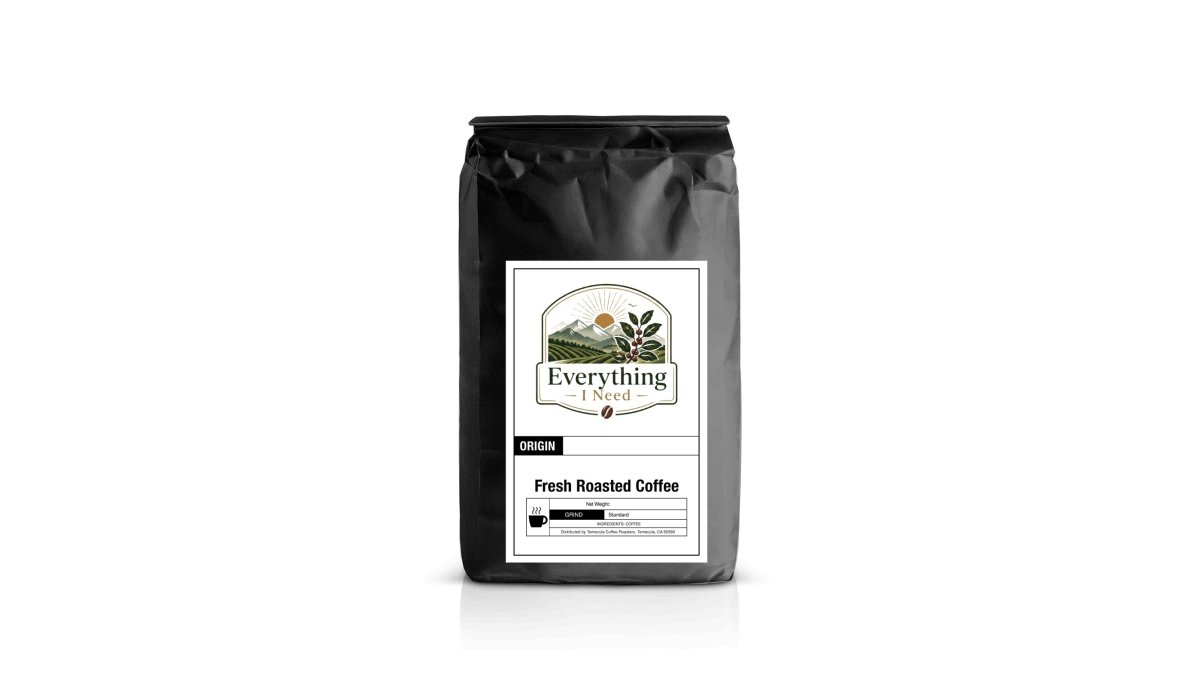
The choice depends on your goals. If you're experimenting and building your palate, start with single origins, they teach you what you like. If you want reliable, balanced cups without variation, blends deliver that. Many enthusiasts keep both on hand: a single origin for exploration and a blend for consistent morning ritual. Everything I Need's approach to this choice reflects our philosophy: we offer both single origins and blends, each selected for structural elegance and the elimination of bitterness that defines our roasting method. Our Single Origin Favorites Sample Pack lets you explore six different origins in 2oz packs, perfect for discovering which regions speak to your palate.

Evaluate Altitude, Terroir, and Processing Methods
Altitude is one of the most underrated factors in coffee quality. Beans grown at higher elevations develop more slowly, allowing them to accumulate more complex sugars and acids. High-elevation coffees (above 1,200 meters) typically offer brighter acidity, more floral or fruity notes, and greater complexity.
Terroir encompasses everything about the growing environment: soil composition, climate, rainfall, temperature fluctuation, and even nearby vegetation. Two farms in the same region can produce remarkably different coffees based on subtle terroir differences. Volcanic soil, common in Central America and East Africa, creates coffees with distinctive mineral notes and brightness.
Processing method profoundly shapes flavor. Washed process involves fermenting and washing away the cherry pulp before drying the bean. This method emphasizes the bean's inherent characteristics and creates clean, bright cups with pronounced acidity.
Identify Flavor Notes and Tasting Profiles That Match Your Preferences
Flavor notes aren't marketing fiction, they're a language for describing what you're tasting. When a label says "caramel, chocolate, hazelnut," it's guiding you toward what the roaster identified during cupping, the professional tasting process.
Tasting profiles are built from four core dimensions: acidity, body, sweetness, and finish. Acidity describes brightness, not sourness, high-acidity coffees feel lively and crisp. Body refers to mouthfeel, the weight the coffee carries.
Single Origin Favorites Sample Pack →

Start by identifying one dimension you care most about. If you're sensitive to bitterness, prioritize sweetness and medium roasts. If you want complexity, seek out single origins with multiple flavor notes listed. If you prefer consistency, choose blends.
Prioritize Freshness and Roast Dates
Freshness is non-negotiable in specialty coffee. Unlike commodity coffee, which is designed to survive months in warehouses, specialty coffee is roasted in small batches and optimized for a narrow freshness window.
Always buy coffee with a visible roast date, not a best-by date. A roast date tells you exactly how old the beans are. A best-by date is vague, it could mean the roaster's conservative estimate, or it could mean the retailer's guess. Beans roasted more than 4 weeks ago will taste flat and dull.
Check your coffee's roast date before you buy. If you're ordering online, look for roasters who roast to order or roast frequently. Everything I Need roasts to order, ensuring your beans arrive at peak freshness. When your coffee arrives, store it in an airtight container away from light, heat, and humidity.
Build Your Specialty Coffee Collection on a Budget
You don't need to spend a fortune to explore specialty coffee. Start with sample packs, which let you try multiple origins and roast levels without committing to full bags.
Buy from roasters who offer variety. Blends are often more affordable than single origins because they use a mix of beans at different price points. A well-made blend delivers excellent value, you get consistency and complexity without the premium price tag of single-origin coffees.
Invest in one good brewing tool. You don't need expensive equipment, a simple pour-over cone, French press, or AeroPress costs $15-40 and produces excellent coffee. Brewing method matters more than equipment cost. Learn your method thoroughly, dial in your grind size and water temperature, and you'll extract far more flavor than someone with expensive gear and poor technique.
Finally, buy whole beans and grind at home. Pre-ground coffee loses aromatics within days. Whole beans stay fresh for weeks. A basic burr grinder costs $30-50 and transforms your coffee experience.
Choosing specialty coffee beans as a beginner doesn't require expertise, it requires curiosity and a willingness to taste intentionally.
Frequently Asked Questions
What should a beginner look for when buying specialty coffee beans?
Start with the roast date, look for beans roasted within the last two weeks for maximum freshness. Check the label for altitude (higher elevation often means more complex flavor), processing method (washed, natural, or honey), and tasting notes that appeal to you. If you're sensitive to bitterness, choose lighter or medium roasts and single-origin beans from regions known for sweetness, like Colombia or Ethiopia. Sample packs let you explore different origins and roast levels without committing to full bags.
What is the difference between single-origin and coffee blends?
Single-origin coffee comes from one specific farm, region, or country and expresses that terroir's unique characteristics, altitude, soil, climate, and processing all influence the flavor. Blends combine beans from multiple origins to create consistency, balance, or specific flavor profiles. Single-origin coffees offer complexity and terroir expression, making them ideal for exploring how geography shapes taste. Blends are often more approachable and forgiving, delivering smooth, balanced cups. Beginners benefit from trying both to discover their preference.
How do roast dates affect the quality of specialty coffee?
Roast date matters because coffee begins losing flavor and aroma immediately after roasting. Beans roasted within two weeks are at peak freshness, with bright acidity and complex notes intact. After four weeks, specialty coffee loses vibrancy and can taste flat or stale. Always check the roast date on the label, reputable roasters print it prominently. Buying directly from craft roasters who roast to order ensures your beans arrive fresh, which is why freshness is a hallmark of specialty coffee quality.
What do flavor notes on a coffee bag actually mean?
Flavor notes describe the sensory experience of the cup, not added ingredients. A bag labeled 'chocolate, caramel, berry' means the coffee naturally expresses those tastes based on its origin, altitude, processing, and roast level. These notes come from the coffee cherry itself and how it was developed during roasting. Understanding tasting notes helps you predict whether you'll enjoy a coffee, if you love chocolate and caramel, medium roasts from Brazil or Honduras will appeal to you. Notes are subjective, so trying sample packs helps you calibrate your palate.